Design Details That Define Winter Park Mountain Homes
July 9, 2026
July 9, 2026
If you have ever walked into a Winter Park home and thought, this just feels right, the design is usually doing more work than you realize. In a mountain town shaped by snow, sun, gear, and year-round recreation, the best homes are planned for how you actually live, host, and move through the seasons. When you know what details define the local style, it becomes much easier to spot real value whether you are buying, selling, or simply refining your wish list. Let’s dive in.
Winter Park is not a setting where design can be separated from climate and lifestyle. The area sits in a high-elevation mountain environment, with the Winter Park Resort base at 9,000 feet and reported annual snowfall of more than 344.6 inches. Add strong sun exposure, four-season recreation, and easy access to public land, and you get homes that need to be both attractive and highly functional.
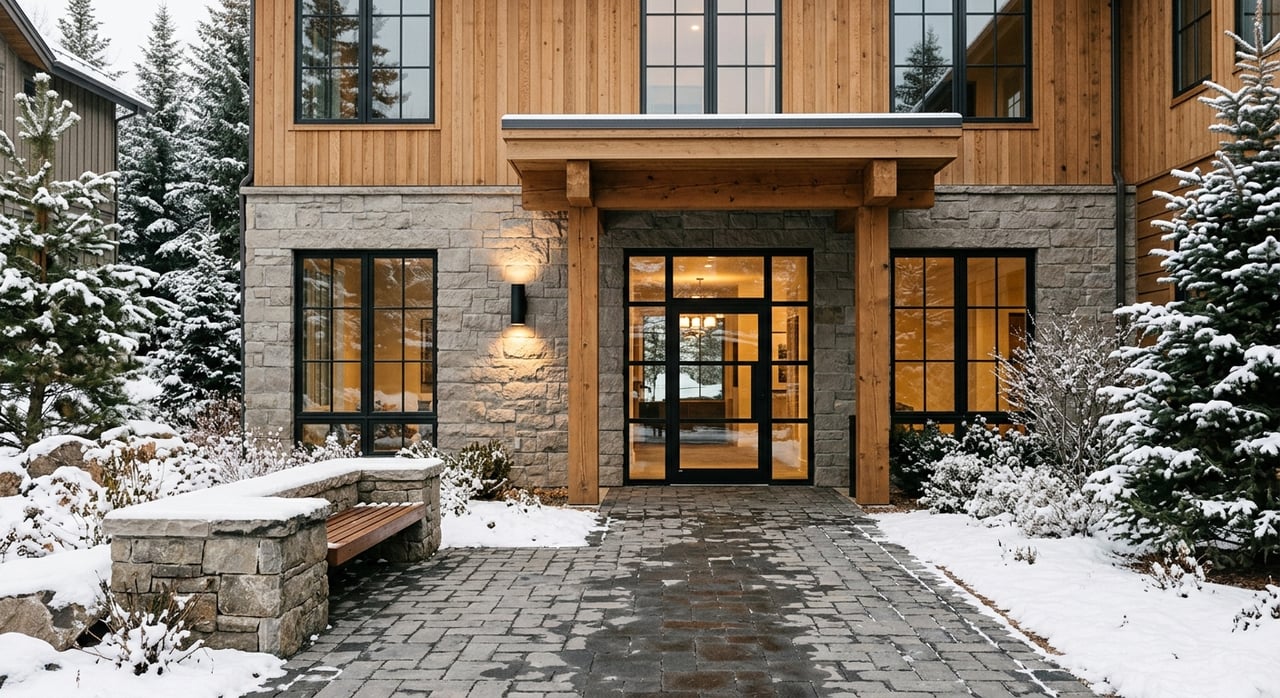
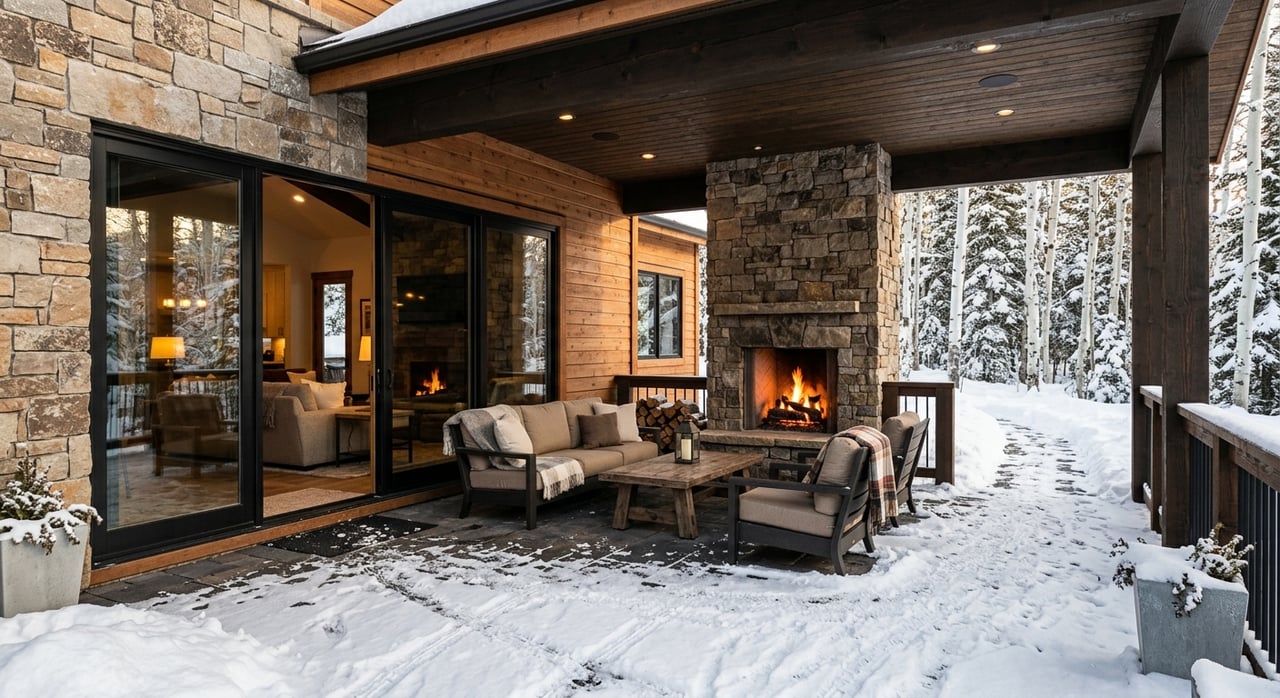
That is why many Winter Park mountain homes blend mountain modern style with alpine roots. Instead of leaning fully rustic, the local look often combines wood, stone, metal, and glass in a way that feels clean, current, and connected to the landscape. You will see homes that feel warm and relaxed, but also durable enough for real mountain living.
Across Winter Park, a common design pattern has emerged. Homes often mix traditional mountain forms with more contemporary lines, open interiors, and lower-maintenance materials. This creates a style that works well for full-time living, second homes, and properties that host groups throughout the year.
You may also notice design choices that support flexibility. Local housing examples point to energy-efficient construction, vertical massing, bonus rooms, and rooftop decks. In practical terms, that means many homes are designed to help you enjoy the setting while making day-to-day ownership simpler.
A mountain home in Winter Park has to do more than look good in listing photos. It has to hold up to snow, wet gear, freeze-thaw cycles, and bright alpine light. The most successful homes balance aesthetics with materials and layouts that make seasonal use feel easy.
That is one reason the local style has staying power. It is not just about trends. It reflects how people actually use homes near the resort, downtown, trail systems, and surrounding mountain communities.
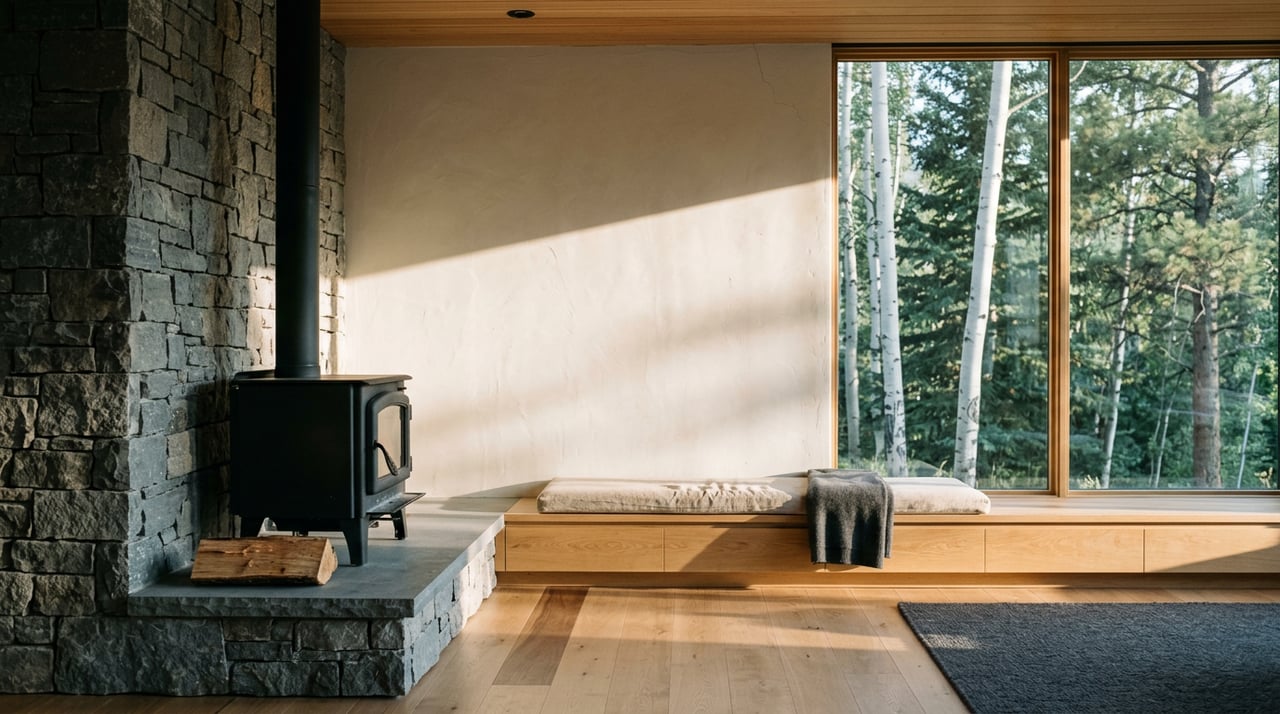
If there is one feature that consistently shapes the look of a Winter Park home, it is the use of large windows and view-focused layouts. Floor-to-ceiling glass, window walls, and wide living-area openings are common because they frame what buyers come here for: mountain peaks, forest, ski slopes, and valley views.
These windows do more than bring in scenery. They also bring in daylight, which matters in a place with long winters and strong sun exposure. In some local design examples, triple-pane glazing and dramatic curtain-wall window systems are used as both visual centerpieces and climate-conscious features.
When you tour a home, pay attention to more than just the size of the windows. Notice what rooms get the views, how the furniture layout works around the glass, and whether the design creates usable sightlines instead of wasted wall space. In well-designed Winter Park homes, the views feel intentional, not accidental.
For sellers, this is also a reminder that presentation matters. If your home has strong view corridors or window-lined gathering spaces, those features should be highlighted clearly because they are central to the local design story.
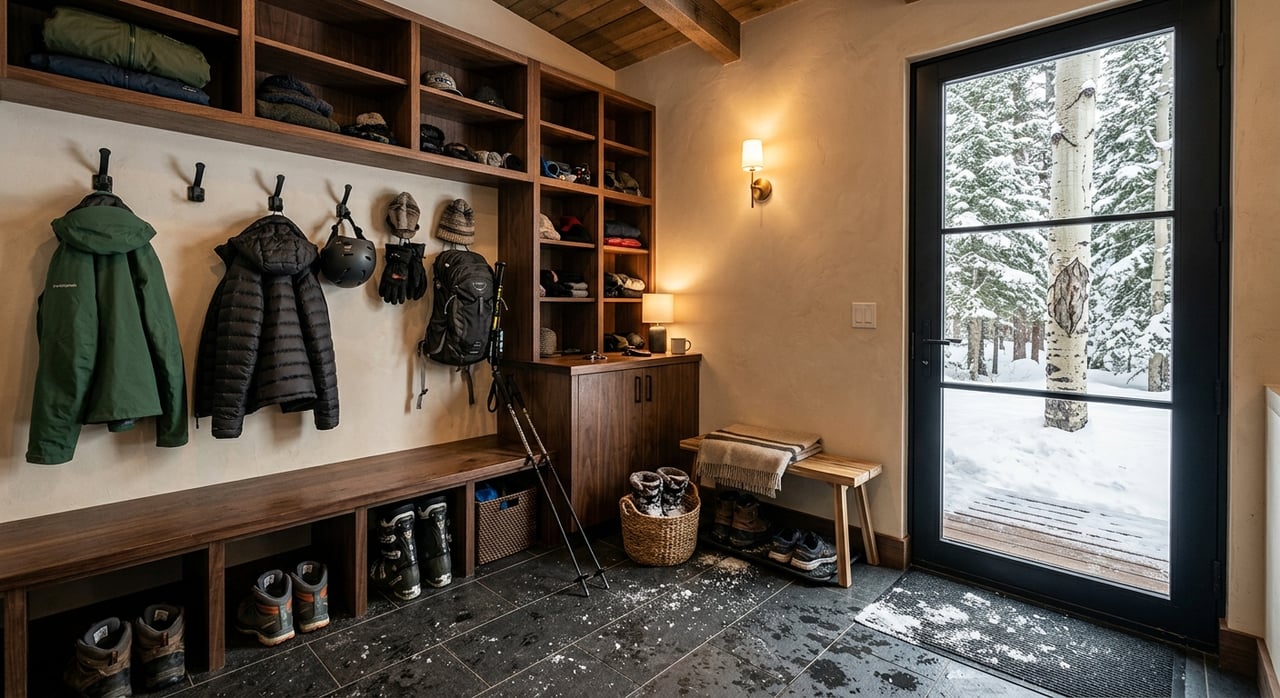
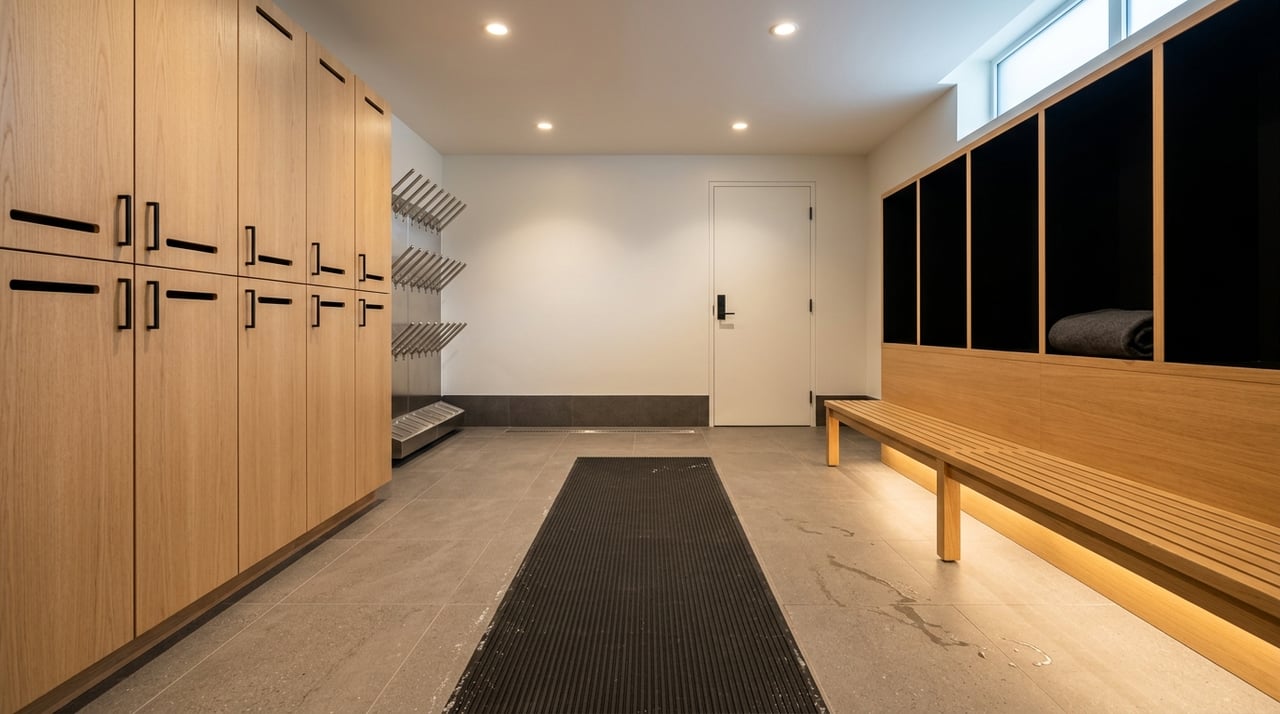
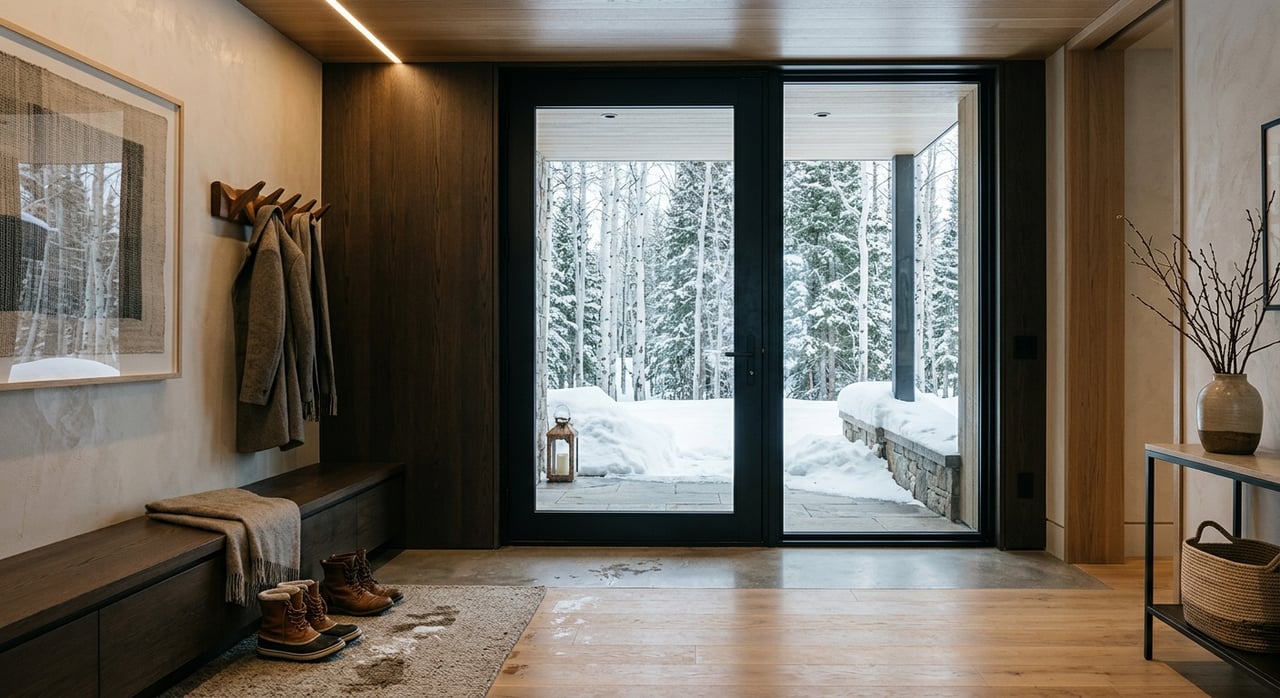
In many markets, a mudroom is a nice bonus. In Winter Park, it is often a core part of the floor plan. With snow, boots, coats, skis, bikes, and wet layers coming in regularly, homes here benefit from a dedicated landing zone that keeps the rest of the house cleaner and more organized.
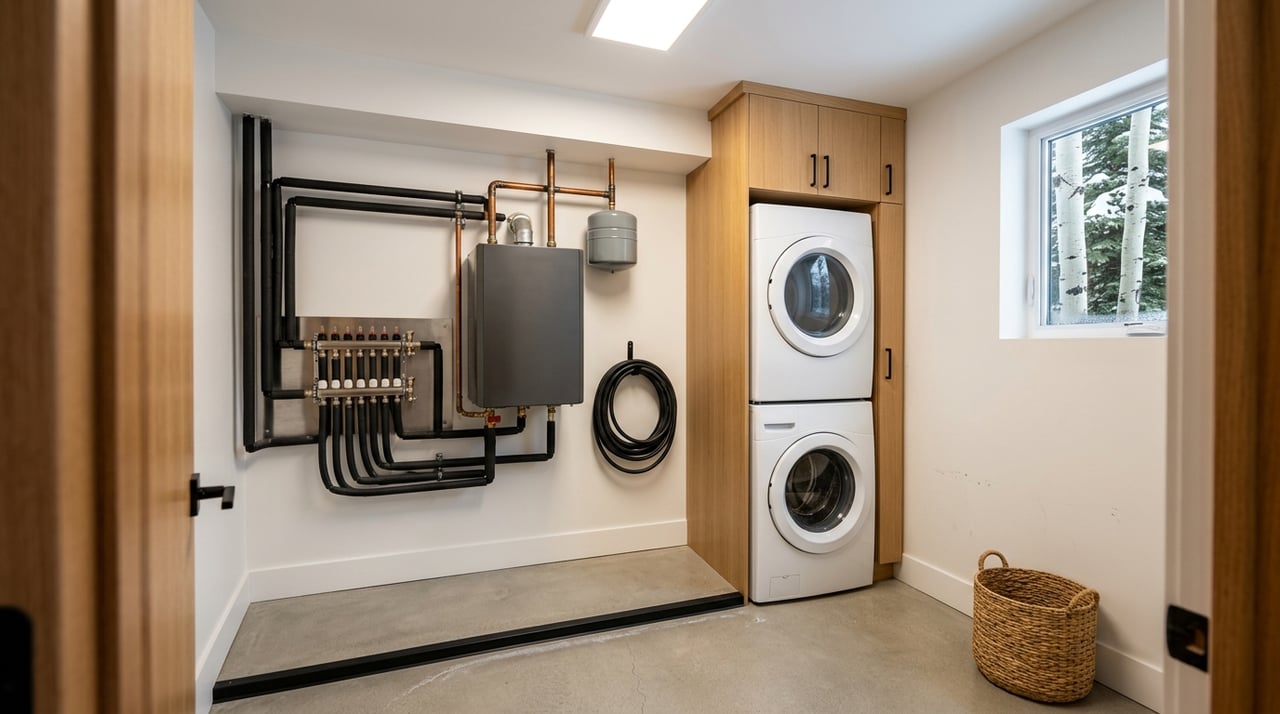
Many local examples include mudrooms off the garage, built-in benches, cabinetry, ski storage, and gear-specific zones. Some also place laundry or boot-drying functions nearby, which makes everyday mountain living feel much more manageable.
A smart mudroom can make a home feel much more functional the moment you walk in. Buyers often respond to these practical details because they can picture exactly how the space will work after a ski day or summer ride. It is one of those features that supports both lifestyle and long-term appeal.
If you are comparing homes, pay close attention to circulation. The best layouts create a smooth path from garage or entry to gear storage, laundry, and main living spaces without turning the home into a catch-all for outdoor equipment.
Winter Park homes are often used by families, weekend groups, and visiting guests, so sleeping flexibility matters. That is why bunk rooms, lofts, and multi-use guest areas show up so often in local homes. They are not just fun extras. In many cases, they are built into the design from the start.
Recent local examples include homes with bunk rooms for four, six, ten, or even more guests. You will also see layouts that pair bunk space with family rooms, game areas, or secondary lounges, giving the home a more adaptable feel for different kinds of use.
If you are shopping for a second home or a property with part-time rental goals, flexible sleeping space can have real practical value. It helps a home accommodate family gatherings, holiday trips, and group weekends without requiring a much larger primary bedroom count.
That said, the design still matters. The best bunk rooms feel intentional and comfortable, not like leftover square footage filled with beds. A well-planned guest area can make the whole home feel more inviting and functional.
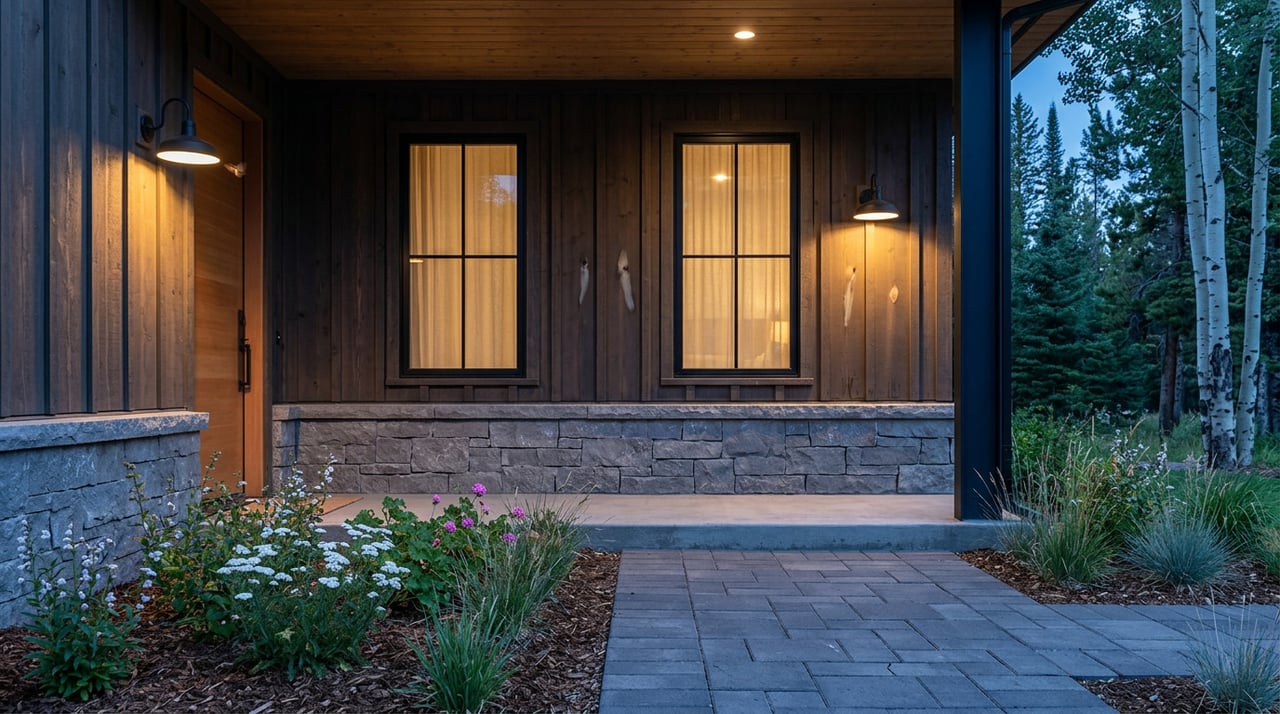
One of the clearest signs of a well-considered Winter Park home is the finish palette. In this market, durability often goes hand in hand with design. Materials need to hold up to tracked-in moisture, snow, and strong sun while still delivering a polished look.
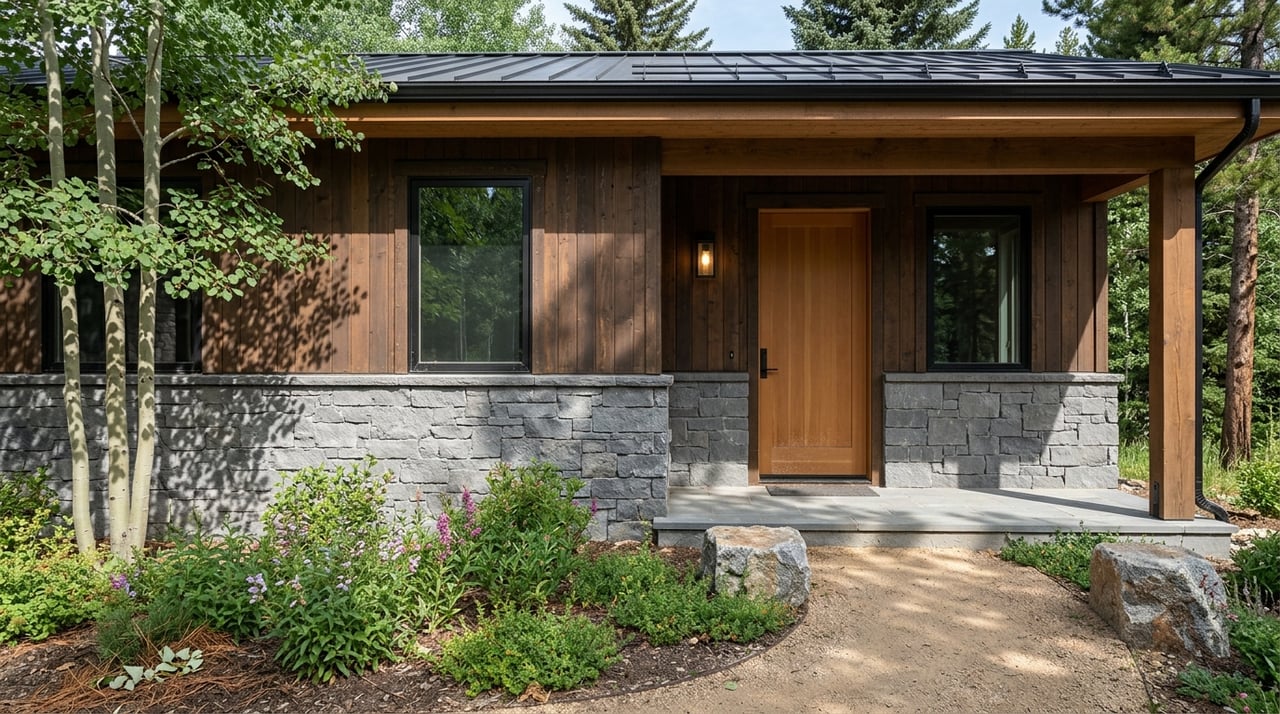
Common choices in local homes include stone, cedar, charcoal metal cladding, white oak flooring, quartz, slate, solid wood doors and trim, matte black hardware, and high-performance windows. You may also see concrete or polished concrete floors and radiant heat, especially in areas that need to perform well through winter.
For buyers, this is an area where finishes can tell you a lot about ownership experience. Attractive materials are important, but so is how they wear over time and how much upkeep they may require. In mountain homes, easy-care finishes can make a noticeable difference, especially if you are not in town every week.
For sellers, these details can help position a home more effectively. Thoughtful materials often support the impression that a property has been designed for the local environment rather than simply decorated to fit a trend.
In Winter Park, outdoor space is not just seasonal overflow. It is often a major part of how the home lives year-round. Covered decks, rooftop decks, hot tubs, fire pits, grill connections, and outdoor gathering zones are common because they support both ski-season evenings and summer entertaining.
Some newer homes even feature details like rooftop decks with snowmelt. That kind of planning reflects a broader local pattern: outdoor areas are expected to be usable, not just visually appealing.
The way a home connects to town and recreation also matters. Winter Park and the resort are known for access by car, train, shuttle, and the free Lift bus, and many homes emphasize walkability or proximity to trails, town amenities, and outdoor recreation. That convenience often influences how homes are designed, marketed, and valued.
If you are narrowing your search, think about how you want to spend your time here. A home near the resort may prioritize quick ski access, while a home near downtown may offer easier walkability to local amenities and events. In either case, the design often reflects that intended lifestyle.
Recent Winter Park listings show these patterns clearly. Examples in the local market have highlighted vaulted ceilings, oversized windows, lower-level mudrooms with built-in cabinetry, built-in ski storage, rooftop decks, hot tubs, radiant floors, heated garages, custom slate floors, and dedicated bunk rooms.
When the same features keep appearing across different price points and property types, it tells you something important. These are not isolated luxury extras. They are part of the design vocabulary that helps define what buyers expect from a Winter Park mountain home.
If you are considering a second home with investment potential, design details are only part of the conversation. In Winter Park, practical ownership factors also matter, including how the property functions for guests and how local rules affect short-term rental plans.
According to the Town of Winter Park, short-term rental owners must register before advertising or renting the property, display the registration number in ads, pay a $150 fee, complete a fire and life safety inspection, and renew on a September 30 cycle. If rental use is part of your plan, it helps to evaluate a home with both lifestyle and compliance in mind.
The right design is not always the flashiest one. Often, it is the home that best aligns with how you will use it, maintain it, and enjoy it through every season. A great Winter Park home usually combines views, durable finishes, smart gear storage, flexible guest space, and outdoor living that feels truly usable.
If you are buying or selling in this market, understanding these details can help you make sharper decisions. They shape not only how a home feels, but also how it functions, photographs, and stands out in a competitive mountain setting.
If you want help evaluating which design features truly add value in Winter Park, Kara Mullane can help you look at the market through both a lifestyle and investment-aware lens.
Stay up to date on the latest real estate trends.
Work with a dedicated real estate professional who specializes in mountain living in the Winter Park area. With a strong background in real estate development and investment, clients are guided through every step of buying or selling with clarity and confidence in one of Colorado’s most dynamic markets.
KARA MULLANE
78977 US Highway 40 Winter Park, CO 80482