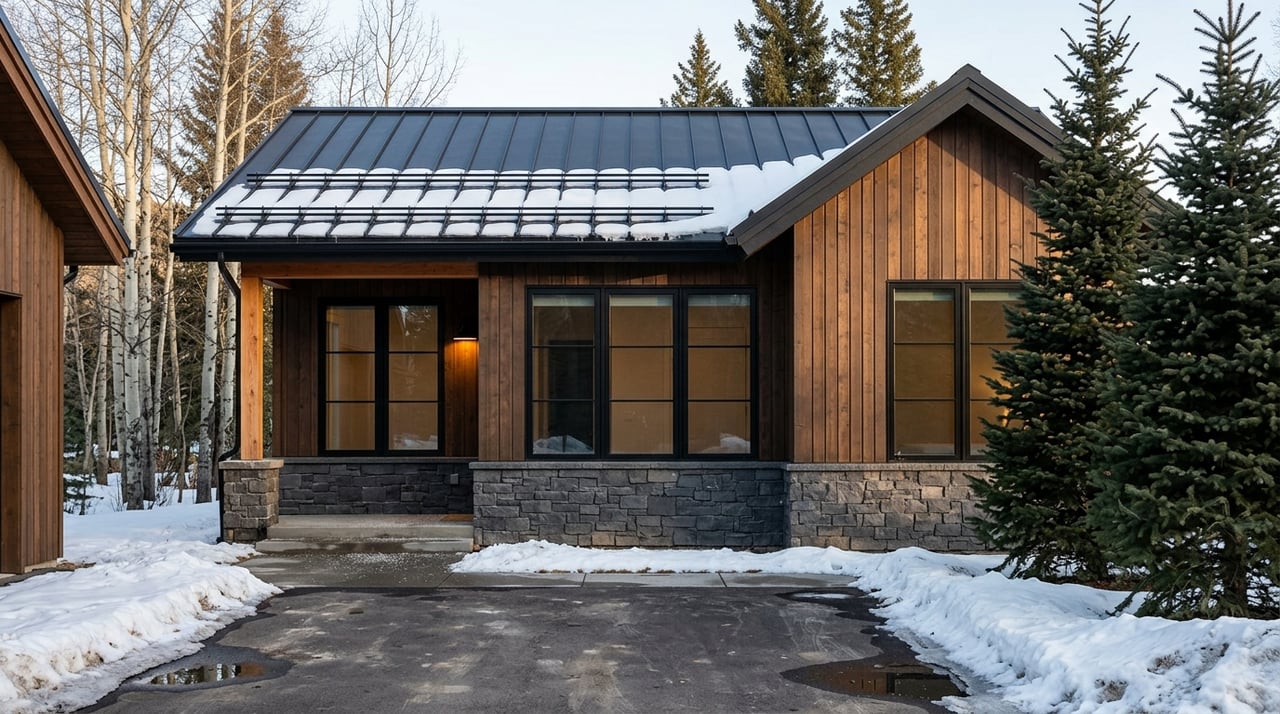
Winter Park vs Other Ski Towns in Colorado
May 7, 2026
May 7, 2026
If you are trying to choose the right Colorado mountain town, Winter Park often lands in a very practical sweet spot. You may want easy access from Denver, strong year-round recreation, and a town that still feels like a mountain community instead of a larger resort machine. This guide will help you compare Winter Park with other well-known Colorado mountain towns so you can see where it fits best for your lifestyle, your ownership goals, and your day-to-day reality. Let’s dive in.
Winter Park is best understood as a close-to-Denver resort town in the Fraser Valley. According to Winter Park Resort, it is about 70 miles from Denver and offers more than 3,000 acres of skiable terrain, 23 lifts, and over 344 inches of annual snowfall.
That matters if you want a place that feels mountain-focused without being too far removed from the Front Range. Winter Park also describes a community where bus, bike, foot, and skis are all realistic ways to get around, which gives it a more connected and compact feel than some larger destinations.
The area also has strong four-season appeal. Winter Park Resort highlights access to 765,000 acres of public land, and Grand County is described as about 75% public land across six distinct towns. For many buyers, that mix of resort access and public-land recreation is a major part of the appeal.
Breckenridge and Winter Park both attract buyers who want a classic Colorado mountain lifestyle, but they feel different on the ground. Breckenridge is known for its historic district, Main Street setting, and a large mix of shops and restaurants, with walkable circulation supported by bus and trolley options.
Winter Park feels more resort-centric and less built around a traditional historic downtown. If you want a town with a down-to-earth ski-town feel and a smaller footprint, Winter Park may feel more straightforward and less centered on a bustling Main Street environment.
From an access standpoint, Winter Park also has a strong advantage for many Front Range buyers. Winter Park Resort places the town about 70 miles from Denver, while Breckenridge sits about 98 miles west of Denver via I-70 and Highway 9.
Vail offers a more polished village experience. It is known for a pedestrian village, luxury hotels, high-end dining, and mountain access that often centers on parking and gondola connections.
Winter Park is generally better framed as more casual and less formal in character. If you are looking for a mountain town that feels relaxed, recreation-driven, and less focused on a luxury village atmosphere, Winter Park may be the better fit.
There is also a location difference to consider. Vail is about 100 miles west of Denver, while Winter Park is about 70 miles from Denver, which can matter if you plan to use the home often for weekends or shorter trips.
Steamboat has a distinct western heritage identity rooted in ranching, hot springs, and a broader mountain-town story. It offers a different kind of destination feel, one that often appeals to buyers looking for that western character as much as ski access.
Winter Park leans more into compact resort access and year-round outdoor recreation. The town presents a simpler ski-town profile, with public-land access and a smaller scale that can feel more approachable if you are prioritizing convenience and regular use.
Steamboat is also farther from Denver at about 157 miles by car, though it has Yampa Valley Regional Airport nearby. For buyers comparing ease of drive access from the Front Range, Winter Park is often the more convenient option.
Estes Park is a useful comparison because it is shaped more by Rocky Mountain National Park than by a ski resort. The town sits about 90 miles northwest of Denver and functions as a gateway destination, with the park bordering town on three sides.
Winter Park offers a different kind of mountain experience. It is more directly tied to ski culture and resort living, while still supporting biking, trails, and year-round outdoor access.
If your priority is ski access and a resort-oriented setting, Winter Park usually makes more sense. If your priority is being closely connected to a national park gateway environment, Estes Park may feel more aligned.
For many buyers, access is where Winter Park becomes especially compelling. Winter Park Resort says Denver metro travelers can reach it via I-70 and US 40, and the area also benefits from the seasonal Winter Park Express from Denver Union Station to the resort doorstep.
That train option is a real point of difference among Colorado mountain towns. The resort also promotes a free local bus system for people staying in town, which supports a lower-friction experience once you arrive.
This puts Winter Park in a useful middle ground. It is not part of the main I-70 resort corridor in the same way as some other towns, but it still offers strong Denver access while feeling distinctly mountain-oriented.
Winter Park is often a fit for buyers who want a mountain town that feels active and authentic without feeling overly built up. Official and tourism sources frame it as a year-round destination with skiing, biking, trail access, and recreation tied closely to public land.
That gives it a different personality than towns built around a historic core or a luxury village format. Winter Park tends to appeal to people who want quick access to outdoor activities and a community that feels practical, not overly formal.
The town’s scale is part of that appeal. Compared with some larger resort destinations, Winter Park has a smaller, less developed footprint, which many buyers see as a positive when they want mountain access without a more built-up atmosphere.
If you are looking in this part of Colorado, the best comparison is not always another major resort town. Sometimes the smarter question is whether Winter Park is the right fit compared with nearby Grand County communities like Fraser, Granby, and Grand Lake.
Fraser offers more of a local scene and includes practical amenities such as a grocery store, elementary school, library, town hall, and drug store, according to Winter Park Resort community information. Buyers who want a lower-key, more local-feeling base often look closely at Fraser.
Winter Park, by comparison, is the more resort-centric choice. If you want to be closer to the ski-town energy and visitor-facing amenities, Winter Park usually feels more aligned.
Granby describes itself as a friendly small town between Grand Lake and Winter Park that will not bust your budget. For buyers who are price-conscious and open to a different pace, Granby can be a useful option to consider.
Winter Park tends to make more sense if your priority is direct resort access and a more immediate connection to ski-town living. Granby may appeal more if you want a smaller-town feel and are willing to trade some resort proximity for value.
Grand Lake is the most lake-and-park-oriented of the nearby options. It sits next to Rocky Mountain National Park and Arapaho National Forest and presents itself as a year-round destination with lakes, rivers, wildlife, shops, and dining.
Winter Park offers a different emphasis. It is the strongest fit of the group if you want a resort-centered lifestyle, while Grand Lake is often the better match for buyers drawn to lake access and park proximity.
If you are considering a second home or investment property, ownership rules deserve just as much attention as views, finishes, or proximity to lifts. In Winter Park, short-term rental use comes with clear local requirements.
Within town limits, rentals of less than 31 days require a business license and sales-tax remittance. Short-term rentals must be registered before advertising, the registration number must appear in ads, registrations expire on September 30, and annual fire-and-life-safety inspections are required.
That does not make Winter Park a poor fit for rental-minded buyers. It simply means this is a rule-aware market, not a hands-off one, and that structure should be part of your property evaluation from the start.
In unincorporated Grand County, short-term rental owners must apply for an annual permit, pay fees tied to advertised occupancy, provide local emergency contacts, submit a parking plan and proof of insurance, and keep occupancy at 16 people or fewer. If rental use is part of your plan, these details matter.
One of the biggest mistakes buyers make is comparing mountain towns only by lifestyle branding. In reality, the day-to-day ownership experience can shape whether a property feels easy or stressful.
Winter Park’s Good Neighbor policy includes quiet hours, trash rules, and winter parking restrictions. Overnight parking on town streets is not allowed from November 1 through May 1 because it can interfere with snowplows, and owners are reminded not to leave trash out overnight because of wildlife.
These may sound like small details, but they are not. In mountain communities, snow operations, access, parking, and seasonal property care are part of ownership, especially if you are not full-time in town.
It is easy to think of Winter Park as a condo market near the slopes, but official planning and district documents show a broader picture. The local housing mix includes detached single-family homes, attached homes, townhomes, condominiums, apartments, and condo-hotel style development.
Condo inventory is clearly an important part of the market, with areas such as Beaver Village, downtown Winter Park, Leland Creek, and Hi Country Haus included in the Grand County Water and Sanitation District #1 boundary. The town’s annexation of Beaver Village Condominiums into town limits also highlights how relevant condo ownership is locally.
Still, Winter Park should not be viewed as only a ski-condo town. If you are comparing mountain towns by property type, Winter Park offers both resort-style ownership and more traditional neighborhood-style ownership.
Winter Park often makes the most sense for buyers who want to use their property often and do not want access to feel like a major hurdle. Being about 70 miles from Denver can make a meaningful difference for weekend use, especially compared with towns that sit farther away.
It can also be a strong fit if you want a four-season recreation base with a more relaxed, less built-up atmosphere than some larger resort destinations. And if you are evaluating rental potential, Winter Park can work well as long as you go in with a clear understanding of local rules, HOA considerations, and seasonal ownership logistics.
The right mountain town depends on how you want to live in the property. If you want resort access, year-round recreation, and a practical balance between lifestyle and ownership structure, Winter Park deserves a serious look.
If you want help comparing Winter Park with Fraser, Granby, Grand Lake, or other Grand County options, Kara Mullane can help you sort through the lifestyle and ownership details so you can make a confident move.
Stay up to date on the latest real estate trends.
Work with a dedicated real estate professional who specializes in mountain living in the Winter Park area. With a strong background in real estate development and investment, clients are guided through every step of buying or selling with clarity and confidence in one of Colorado’s most dynamic markets.
KARA MULLANE
78977 US Highway 40 Winter Park, CO 80482