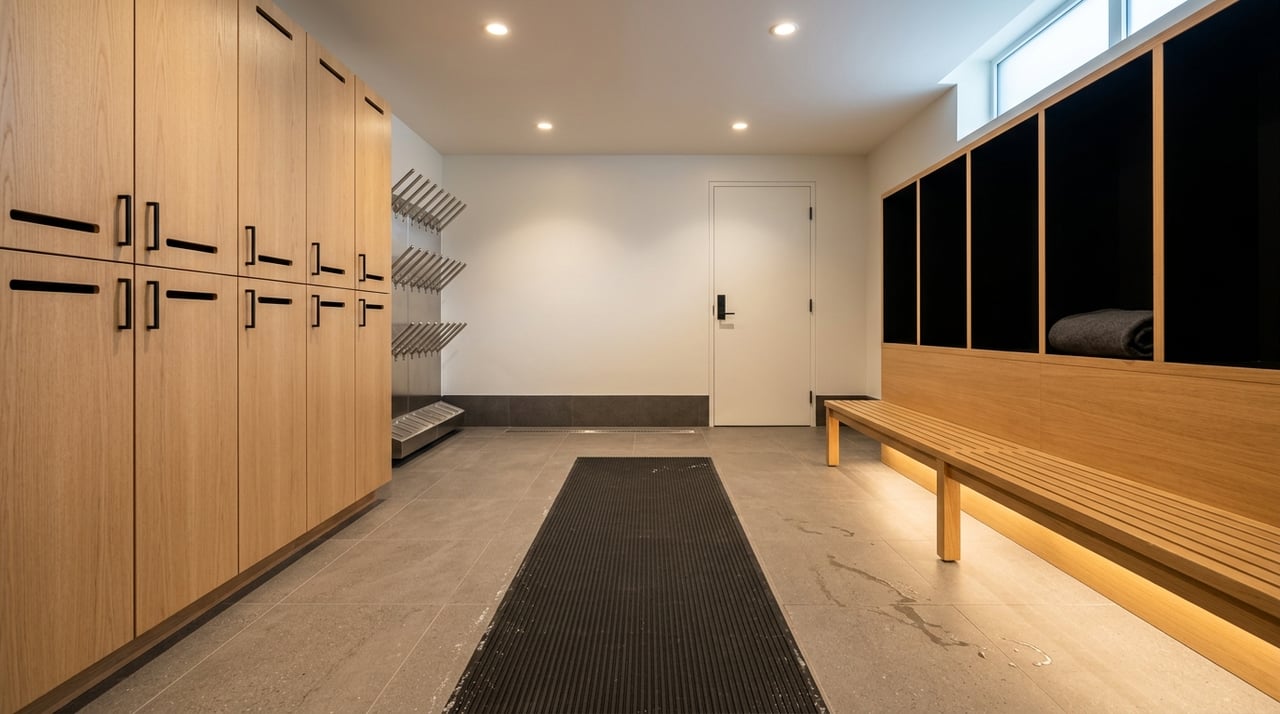
Winter Park Ski Rental Buying With a Clearer Strategy
June 18, 2026
June 18, 2026
If you are thinking about buying a ski rental in Winter Park, it is easy to get swept up by the fun part first: powder days, mountain views, and the idea of offsetting costs with rental income. But in a resort market, the best purchase is not always the one that looks best online. You need to understand the rules, the seasons, and the day-to-day guest experience before you make an offer. This guide will help you look at a Winter Park ski rental with a clear, practical lens. Let’s dive in.
Winter Park stands out because it is not just a winter destination. Winter Park Resort operates in both winter and summer, with warm-weather activities that include hiking, biking, gondola rides, and other mountain attractions. That matters because a property here may have demand beyond ski season.
For you as a buyer, that means the underwriting should be more balanced. Instead of assuming the winter calendar will do all the work, it helps to evaluate whether the property also appeals to summer guests. A unit that works well in both seasons may offer a more stable ownership experience.
A ski rental in Winter Park should be evaluated as a four-season asset. If guests come for both snow sports and summer recreation, your property may have more booking potential across the year. That can affect how you think about location, amenities, and the kind of unit you choose.
This is one reason mountain buyers often need to balance lifestyle and practicality. A great-looking condo may feel exciting on day one, but the better long-term fit is often the property that also functions well for warm-weather travel, easy arrival, and repeat guest use.
Winter Park is about 67 miles west of Denver, which helps support its appeal for Front Range owners and visitors. Local transportation also plays a real role in guest convenience. The Lift is a free transit system serving Winter Park, Fraser, and Granby, with service to Winter Park Resort, downtown Winter Park, and the Amtrak Fraser-Winter Park Station.
That access can be a real advantage because the resort notes that taxi and ride-sharing are typically not available. In other words, guests may depend more on walkability, shuttle access, and clear parking than they would in other vacation markets. If you are choosing between two similar properties, the easier one to use often has the stronger rental appeal.
Resort lodging examples around the base include Zephyr Mountain Lodge, Fraser Crossing Founders Pointe, Parry Peak Lofts, The Vintage Hotel, and Iron Horse Resort. The resort also highlights features like full kitchens, balconies, mountain views, hot tubs, and heated pools across condo-style and hotel-style options. You do not need every amenity to be competitive, but these examples help show what many guests are comparing your property against.
Just as important, the resort notes that staying at the base is not required to enjoy mountain activities, dining, or events. That opens up more buying options for you. A property does not have to be slopeside to be viable, but it does need to make the guest stay feel easy and predictable.
Before you fall in love with a unit, ask one thing first: Is it inside the Town of Winter Park or in unincorporated Grand County? The answer affects the rules you will need to follow if you plan to rent it on a short-term basis.
This is one of the most important parts of buying with eyes wide open. Two properties with similar prices and layouts can come with very different compliance obligations depending on where they sit.
Inside the Town of Winter Park, any property rented nightly or for fewer than 31 days must have a business license and remit sales tax. The town says short-term rentals must be registered before any advertising or renting. The annual business license fee is $60, the annual short-term rental registration fee is $150, and all short-term rental registrations expire on September 30.
Lodging sales are taxed at 9.0%, while non-lodging sales are taxed at 7.0%. The registration is tied to the specific owner and unit, which means it does not transfer with the sale. If you buy a property, you should not assume the current owner’s registration carries over to you.
The town also requires annual renewal and a registration number in advertisements. A 24/7 responsible agent must be available and able to respond within 60 minutes. Even if you hire a property manager, the owner remains responsible for compliance.
Winter Park requires key safety items in short-term rentals, including smoke detectors, carbon monoxide detectors, and fire extinguishers. The code also requires annual cleaning of wood-burning fireplaces and stoves. These are not small details. They are part of the ongoing operating picture.
The town has also said annual Fire & Life Safety Inspection proof will be required for short-term rental registration and renewal beginning in 2026. If you are buying now, it makes sense to factor that process into your planning and due diligence.
If the property is in unincorporated Grand County, the county has a separate short-term rental permit system. The county requires an annual permit, and the fee is based on maximum advertised occupancy at $100 per occupant. The county also caps maximum occupancy at 16.
You will also need two local emergency contacts who are full-time Grand County residents, a parking plan, proof of liability insurance, bear-proof trash disposal, and an annual fire inspection if applicable. The county states that this permit does not apply to properties inside the town limits of Winter Park, Fraser, Granby, or Grand Lake.
Town or county rules are only part of the picture. You also need to review HOA and building rules carefully, because they can affect how, when, and whether you rent the property.
As you evaluate a condo or townhome, ask for the current HOA documents and look closely at:
A property can look perfect on paper and still become frustrating if the HOA rules do not match your goals.
In Winter Park, parking is not a side issue. It is a core part of how guests experience the property. Town code requires ads to list the number of on-site parking spaces, and if no parking is provided, the ad must clearly say so and state that no on-street parking is permitted.
Guests may park only on-site or in a town-designated parking area. Parking is not allowed on lawns, landscaped areas, streets, or rights of way. The town also says there is no overnight parking on any town street from November 1 through May 1.
For you as a buyer, this means dedicated parking should be reviewed as seriously as square footage. A unit with unclear parking can create guest frustration, complaints, and operational headaches very quickly.
Guest conduct matters in any short-term rental market, and Winter Park is no different. The town’s Good Neighbor page lists quiet hours as 10 p.m. to 8 a.m., while the town code says 10 p.m. to 7 a.m. Because that language differs, it is smart to verify the current standard with the town before finalizing guest instructions.
This may sound minor, but small rule details can shape the guest stay and your compliance process. A solid welcome book and house manual should be accurate, easy to follow, and aligned with current local requirements.
When you are comparing ski rental options in Winter Park, these are some of the most useful questions to ask:
In practice, the strongest ski rentals usually reduce friction for both owners and guests. That often means easier access, simple parking, compliant management, and amenities that support four-season use. These factors may not be as flashy as finishes or views, but they often matter more over time.
That is especially true if you are buying from out of area. A low-drama ownership experience usually comes from the basics being handled well from the start.
A Winter Park ski rental can be a great lifestyle purchase, an investment-minded purchase, or both. The key is making sure the property fits your actual plan. That means looking beyond photos and peak-season projections to understand location, rules, parking, operations, and year-round appeal.
When you buy with eyes wide open, you give yourself a better chance of enjoying the property and running it in a way that feels sustainable. If you want help evaluating condos, townhomes, or mountain homes in Winter Park and greater Grand County with both lifestyle and rental goals in mind, Kara Mullane can help you think through the details with clarity.
Stay up to date on the latest real estate trends.
Work with a dedicated real estate professional who specializes in mountain living in the Winter Park area. With a strong background in real estate development and investment, clients are guided through every step of buying or selling with clarity and confidence in one of Colorado’s most dynamic markets.
KARA MULLANE
78977 US Highway 40 Winter Park, CO 80482